So...What Does A Speech Language Pathologist Do Anyway?
What does a Speech Pathologist do? The better question is...
...what don't they do.
I'll try not to be too exhaustive here, but it will help you understand why there is a shortage of SLPs.
What SLPs Do?
If you have ever asked an SLP what their job responsibilities are, and they have a couple of minutes to tell you,
...it might take a while.
Explore Our Goal Reaching, Client Centered Products
A common misconception is that Speech Pathologists only teach children how to say sounds correctly.
While this is true, it is only one of the many things we do do.
What about your do do? Sorry, I couldn't resist.
The role of a Speech Language Pathologist is to:
- Evaluate
- Diagnose
- Treat
...communication disorders for children and adults with:
- Articulation disorders
- Auditory Processing disorders
- Developmental delay
- English language learners (or ELL)
- Hearing loss
- Language disorders
- Phonological disorders
- Stuttering
- Stroke
- Traumatic Brain Injury
And that's just the beginning! We can also serve individuals with:
- Autism Spectrum Disorder (or ASD)
- Apraxia of Speech
- Cochlear Implants
- Learning Disorders/Learning Disabilities
- Pervasive Developmental Disorder (or PDD)
- Speech Muscle Weakness (also known as Dysarthria)
- Sensory Integration Disorder
Furthermore...we help both young and old who have or have had:
- Voice Disorders
- A laryngectomy
- Feeding Disorders
- Accent Reduction/Modification needs
- Cleft Lip or Cleft Palate
- Swallowing Disorders (also known as Dysphagia)
- Syndromes like Down, Asperger, and Craniofacial
- Neurological Disorders such as Cerebral Palsy
- Alternative and Augmentative Communication (or AAC)
- Diseases like Alzheimer's, Dementia, Parkinson's etc.
SEE ALSO: The Best Free App for Speech Therapy

Whew! I hope I didn't leave anything out.
Anyway, I mention all of this to show you the people and communication disorders a Speech Language Pathologist might work with.
If any of this sounds interesting, you could consider becoming an SLP yourself.
You must earn a Master's Degree in Speech Language Pathology to do so.
The required courses for a Bachelor's and Master's Degree are diverse and demanding.
What Other Professionals Do SLPs Work With?
SLPs work with many professionals and specialists from other disciplines including but not limited to:
- Occupational Therapists
- Physical Therapists
- Pediatricians
- Psychologists
- Audiologists
- Ear, Nose, and Throat Doctors
- Pediatric and Regular Dentists
- Orthodontists
- General and Special Education Teachers
- Behavior Specialists
- Lactation Specialists
- Nutritionists
- Social Workers
- Healthcare Administrators
Didn't know I made bullets for a living did you?
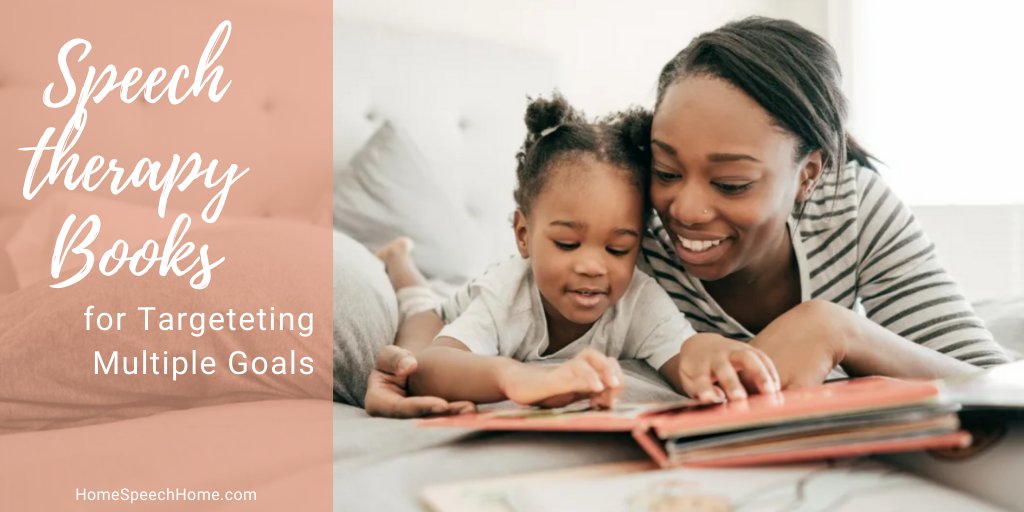
SEE ALSO: The Best Books for Speech Therapy Practice
An important aspect of being an SLP is working well with others.
Since SLPs work in many different settings we strive to collaborate with members of other disciplines.
One term that is used for this is Interdisciplinary Care.
When people from different disciplines work together to help a family who has a specific problem, everyone becomes a member of that "team".
In an ideal situation the Parent or Caregiver should be the head of the team and every specialist on the team should work toward meeting their goal(s).
Are you curious about how much money an SLP makes?
Summing It All Up
The bottom line is that SLPs...
- are in high demand
- get to work with children and adults
- can get a job just about anywhere
- have a variety of places they can work
- have great flexibility due to high demand
The Bureau of Labor Statistics reported that the need for Speech Language Pathologist's is supposed to increase 19% by 2018.
If you enjoy helping people and would like the flexibility to choose where and how much you work this might be the right field for you.
I hope this information has given you some things to think about.
If you are looking for an SLP, you can check for them by city and state.
All Speech Pathologists on these lists will be certified and have their Certificate of Clinical Competence. Why is this important?

Freebies, Activities, and Specials, Oh My!
Sign up for Terrific Therapy Activity Emails
Your information is 100% private & never shared.

Hi! We're Luke and Hollie.
We are both MS CCC-SLPs and fell in love while studying for our degrees. Since then we have done everything together - graduated, worked, and started a family. We spend most of our time with our family and the rest making this site for you.
Top Free
Resources




Free Apps
Word Vault Essential

# 1 Chronological Age Calculator

Popular Materials
All in One Printable Flashcards
Multiple Meaning Word Mega Pack
Complete Articulation Word Search

New! 111 Articulation Stories
Teaching the Sound Books
Multi-Syllabic Words Flashcards
Apps to Save You Time
& Help Your Clients
Articulation Therapy + Pirate Adventures = Awesomeness!


This App Will Get Your Kids Talking





Copyright © 2010 –
HomeSpeechHome.com | All Rights Reserved
This website contains affiliate links, meaning if you buy something from them we may make some money (at no cost to you).
By using our affiliate links, you are helping to support our site which is a U.S.-based, family-run small business :)