
How to Improve Communication Skills
at Home: The Top 10
If you want to know how to improve communication skills at home...
...you've come to the best web page on the internet.
As I mentioned on our homepage my wife and I are certified Speech-Language Pathologists. We have provided speech therapy to all ages of children and adults.
The most common questions we get are about...
..."How to improve communication skills" at home.
Explore Our Goal Reaching, Client Centered Products
So common in fact, that if we were given a quarter every time someone asked us that question...
...we would be retired by now.
We have compiled our top ten tips for how to improve communication skills at home.
We also developed a free speech and language screening that you can use with children ages 0-11 to see what development level they are at.
These tips will enhance speech and language abilities.
We know they work or else we'd be out of a job!
Understanding these tips will help you teach others how to improve communication skills in their homes, because you will have success in yours.
You can access our forums and talk to other parents and even SLPs about what they recommend.
And you can share what tips and strategies work for you.
So the next time someone asks you how to improve communication skills tell them what you know. And if you don't remember all of them, just refer them to our website.
And now without further delay, drum roll please...
Our Top 10 Tips For How To Improve Communication Skills at Home
First of all, TALK A LOT, we discuss this in greater detail in our speech and language development sections on the left side of our navigation bar.
1. Give Wait Time
Most of us don't even wait for people to finish a sentence before we chime in with what we have to say.
A good rule of thumb is to wait 5-10 seconds for your child to answer. It gives your child time to process what they want to say. This can also prevent or diminish stuttering in some children.
2. Don't Over Correct Your Child
If you demand that your child say a sound correctly, especially if it is a sound that doesn't develop until they are older...
...please stop!
Over correcting is the exact opposite way of how to improve communication skills.
The more you demand they say something right, the worse it may likely get. You don't want to make talking and saying speech sounds a negative thing, because they just might stop doing it altogether.
Analogy time: Trying to "make" your child talk or say a sound "right" is like trying to tell someone who can't cook, to cook better.
3. Treat Your Child as a Full Communication Partner
This can be tricky to balance. You need to talk to them as if they are adults but still remember they are children.
Talking with them like an adult doesn't mean use adult vocabulary, jokes, or information they won't understand. It means take turns, use eye contact, and value what they say.
As for younger children, there will many times they say something you don't understand (gibberish), but again, take your turn, make your best guess about what they are talking about and reply to them...
...even if you're not sure what they're talking about.
Don't talk to them in baby talk all the time. It's O.K. every now and again, but after they are about 9 months old, try to limit how much you do it.
4. Be a Good Model
I'm not talking about being a good "role model", although you need to be that too, I mean a good speaking model.
If you want to build strong speech and language skills in your child, you need to show that you have skills yourself. A good rule of thumb for how to improve communication skills is to talk slightly above your child's level.
That way they will be stretched enough to keep building their skills.
5. Turn Off the TV
We know life's hectic, there are great shows for kids, and it gives you much needed breaks but...
...try to have it off as much as possible.
Just remember the less time you have the TV on, the less time your child will expect it to be on. This can help with behavior in the long run too.
This will help your child expand their imagination, learn to entertain themselves, and consequently strengthen their language skills.
SEE ALSO: The Best Free App for Speech Therapy


6. Read, Read, Read
I'm not just talking about books either, we'll discuss reading books to your children in a second.
Read the back of the cereal box, people's shirts, and signs on the street.
The more exposure your child has to speech sounds and language structure, the sooner they will begin to understand it.
When reading books, keep in mind you don't have to read them word for word.
Instead...simply look at the pictures and talk about what you see. For example...
When reading Cinderella, you might say "Oh no she lost her shoe" or "those mice turned into horses", etc.
This accomplishes two things.
- Your child learns to use their imagination.
- Your child builds/strengthens their receptive and expressive language skills.
Try to read at least one book a day.
As part of our getting ready for bed routine, Hollie and I have tried to make it a habit to read a book with our kids every day before they take a nap and every night before they go to bed.
7. Ask Open Ended Questions
Be careful here.
Don't bombard your child with question after question thinking that this will build high language skills. Think of yourself as a model and conversation partner, not a tester.
Open ended questions are when the answer can be a variety of things and not answered by "yes" or "no". These questions will teach your child how to think "hard" and reason for themselves.
Here are some examples of how to turn simple questions into open ended ones:
Question: Did you go to the store?
Open Ended: Where did you go?
Follow Up Question: What did you see?
Question: Was that book good?
Open Ended: What did you like about that book?
Follow Up Question: How would you change the book?
"Tell me about..." is my favorite phrase to use when I focus on language skills.
8. Repeat Words Often
Especially when your children are young. They need to hear sounds and words at least 100 times before they will even start trying to say it. Don't limit how many times you say the same word.
I use an example of Dora the Explorer in another section of our site close to the bottom of the page. One of the songs they sing is about her Map.
In one short song they say the word 12 times. Repetition is the key to learning...
...and it is how to improve communication skills.
9. Draw Conclusions / Explain Consequences
The earlier you teach your children this concept, the better. It doesn't mean you need to ground your 2 year old for a week, but when something happens or they do something wrong, help them understand why.
I'm not going to lie to you, this takes practice and patience but it will pay off in the long run, not to mention build stronger reasoning skills.
Example for a younger child:
Child stands on chair, falls off, and starts to cry (assuming they didn't really injure themselves)
A parent could say: "You fell down" or "You got hurt", "You shouldn't stand on chairs"
Example for an older child:
Child doesn't tell you where they were going.
A parent could say: "What could happen if you get hurt and I don't know where you are?"
Remember you can and should do this in a positive way as well.
Example:
Child follows your directions to clean their room.
A parent could say: "Thank you for cleaning your room, you can play with your friends longer today because you did what I asked."
And last but certainly not least...
10. Praise Your Child for Talking
This is another one that needs to be balanced. You don't need to tell your child how great they are talking after everything they say.
Space it out. Tell them at least a few times a day. More when they're younger.
For younger children:
When they call something by the right name, say "Nice talking" or "You're right that is a..." or "You are such a good talker"
For older children:
You might compliment them when they use a new vocabulary word that you modeled for them. You might say, "Hey, look at you using such a big vocabulary."
Because you are modeling for them right?...
...after all that was tip number 5.
You can praise them for solving a problem on their own or if you notice they say a complex or grammatically correct sentence by saying...
- "You solved that all on your own"
- "I like how you thought that through"
- "That was an impressive sentence"
SEE ALSO: The Best Books for Speech Therapy Practice
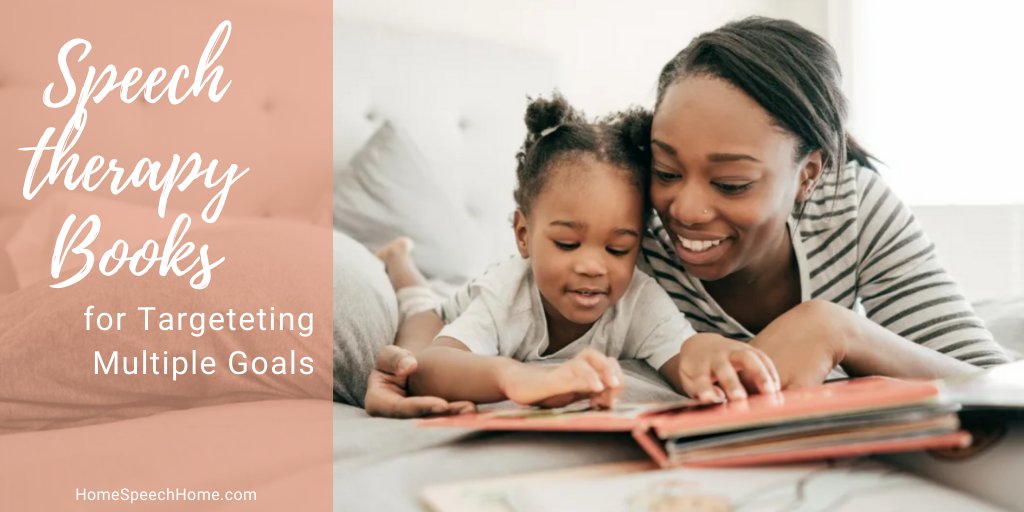
We hope these tips have given you a better idea about how to improve communication skills at home.
Please refer back to them often to refresh, and tell others where you found them. You can also print a free copy of just the tips to post in your home.
If you are still looking more immediate information about your child's speech and language development...
...use our free speech and language screeners.

Freebies, Activities, and Specials, Oh My!
Sign up for Terrific Therapy Activity Emails
Your information is 100% private & never shared.

Hi! We're Luke and Hollie.
We are both MS CCC-SLPs and fell in love while studying for our degrees. Since then we have done everything together - graduated, worked, and started a family. We spend most of our time with our family and the rest making this site for you.

Top Free
Resources




Free Apps
Word Vault Essential

# 1 Chronological Age Calculator


Popular Materials
All in One Printable Flashcards

Multiple Meaning Word Mega Pack
Complete Articulation Word Search
New! 111 Articulation Stories
Teaching the Sound Books
Multi-Syllabic Words Flashcards

Apps to Save You Time
& Help Your Clients
Articulation Therapy + Pirate Adventures = Awesomeness!


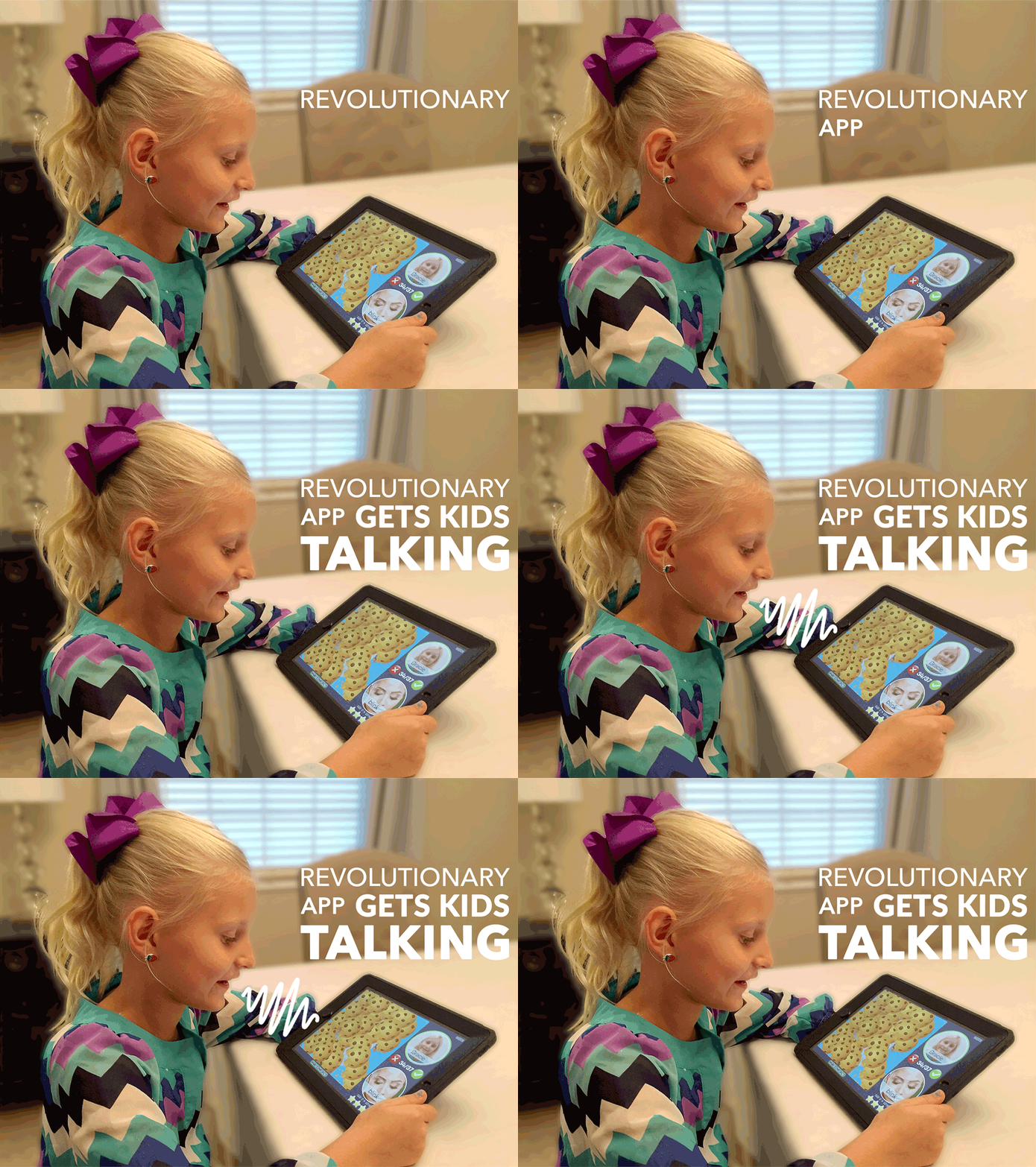
This App Will Get Your Kids Talking






Copyright © 2010 –
HomeSpeechHome.com | All Rights Reserved
This website contains affiliate links, meaning if you buy something from them we may make some money (at no cost to you).
By using our affiliate links, you are helping to support our site which is a U.S.-based, family-run small business :)