
The Essentials of Stuttering
What Is It?
Stuttering is a speech pattern that contains an abnormal amount of disruptions that stop the forward flow of speech due to their frequency or duration.
Say what??? Don't worry, we'll explain more in simple detail.
A disruption in speech is called a disfluency.
Explore Our Goal Reaching, Client Centered Products
Sooooo, we all have disfluencies in our speech ("uh", "um", "er" pausing or re-wording), but it is only considered to be a stutter when...
...you are disfluent more than 10% of the time.
To understand this disorder you need to understand what fluency is.
Fluency is the effortless flow of speech.
This disorder affects all 4 parts.
- Continuity - the smoothness of speech, how much speech is affected by disfluency.
Example: Continuity is decreased by how often and where pauses happen in speech and by how many extra sounds are added such as "um", "well", "uh", repeating or re-wording. - Rate - how fast or slow speech is, it is measured by words/syllables spoken per minute and relates to information flow as well as sound flow.
Example: The rate of information and sound flow is too slow for people who stutter and too fast for people who clutter. That's why it can be harder to listen to them. - Rhythm - the rhythmic pattern of speech which depends on intonation, stress pattern, timing, and duration.
Example: People who with this disorder have disruptions that are louder, longer, and slightly higher pitched. This is what makes disfluencies more noticeable. - Effort - how much mental or physical work it takes to talk. Normal speech is not effortful.
Example: People with this disorder use more effort to talk because they're trying to sound "normal." It takes mental effort to think ahead of time about what words you'll get stuck on. It takes physical effort to stop or "escape" getting stuck on a word.
More than 3 million people or approximately 1% of the population struggle with this disorder. (Source)
Boys are 3 times more likely than girls to have the disorder. 80% of children ages 2-5 who develop this disorder will recover on their own (spontaeous recovery).
There are certain conditions that make it better or worse. For example singing and choral speech/reading (reading or speaking out loud with others) increase fluency.
Activities like talking on the phone, saying your name, giving a speech, or with increased time pressure decrease fluency (makes it worse).
While reading, adults with this disorder can predict which words they will get stuck on.
Also, they will always get stuck on the same words if they read it again.
However, if they practice reading or reciting, disfluency decreases.
What is a Stutter Disorder?
It is a multi-dimensional disorder that is made up of 3 parts.
- Core Behaviors - accidental disfluencies that a person who stutters can't control. There are 3 types:
Repetitions - repeating a sound, syllable, or one syllable word more than once or twice.
Examples:
"The b-b-b-baby is crying" (sound)
"I think the bu-bu-bu-bunny is hungry" (syllable)
"Can, can, can I come with you?" (word)
Prolongations - holding out a speech sound but the mouth/lips/tongue has stopped moving
Example:
"Caaaaaaaaaaan I come too?"
Blocks - when sound or air is stopped in the lungs, throat, or mouth/lips/tongue
Example:
"Can..............I come to?
Children usually begin with the mildest type of disfluency - repetitions.
The repetitions are often bouncy and easy and children are typically unaware of them in the beginning.
As time goes on, it advances to prolongations and blocks and the repetitions become faster and tension increases.
That said, 33% of children with this disorder start with prolongations or blocks.
Secondary behaviors begin to develop as the disorder and awareness of it increase. - Secondary behaviors - learned reactions or responses to the disorder. These are classified into many types.
Escape Behaviors - when a speaker tries to get out of being stuck on a word, with a physical movement. These can come in many forms such as eye blinking, foot stomping, and head turning etc.
Avoidance Behaviors - when the speaker thinks he is going to get stuck and does something to prevent it from happening. - Negative Feelings and Attitudes
Feelings - a person who stutters can feel fear, shame, guilt, hostility, frustration, and embarrassment.
Attitudes - the negative feelings a person feels can change their whole attitude about talking, others, and themselves. These can be hard to discover and change.
The basic types of fluency disorders are:
- developmental
- cluttering
- neurogenic disfluency - sudden, caused by head trauma
- psychogenic disfluency - due to an emotional crisis that doesn't last long
SEE ALSO: The Best Free App for Speech Therapy


What Causes It?
The answer is... there is not ONE cause, but many.
There are many common factors among people who stutter and several explanations for what predisposes a person to stutter or makes people "at-risk".
It's important to note that some people are predisposed to stutter, but they never begin to stutter.
That's why there are also several theories to explain what causes or "triggers" this disorder in a person.
If I had a child who stuttered or I stuttered myself...
...I would want to know ALL of the theories and explanations about what may cause it.
But if you just want to read the basic summaries and analogies for explaining the cause(s), keep reading.
Basic Explanation for Parents
There are several factors that make a child at-risk for this disorder.
There is NO one cause and parents certainly do not cause it.
It is a complex interaction between the child's abilities and the environment.
It is caused by a combination of factors including:
- Genetics
- Developmental abilities (physical, cognitive, social/emotional, and speech-language)
- Environmental factors (parental attitude and expectations, child's speech-language environment, stressful life events, holidays, excitement, etc)
- Child's sensitivity to disruptions in speech (changes emotional and physical effort to speak)
Basic Explanation for Children
People are different.
We all do some things well and other things not as well. Children who stutter have a harder time with speech than other people.
It can be hard sometimes for their lips, tongue, voice, and breathing to all work together quickly and smoothly.
Sometimes they need more time, but other times their speech comes out just fine.
Their speech system isn't as coordinated as it should be which means that it gets tripped up or stuck on sounds.
We don't really know what causes it, but we think that some people are born that way. It is not the child's fault or their parents.
Talking is usually easier when we talk slower. When we get in a hurry, or we are nervous or excited, or we want to say something fast, talking is harder. We need to take our time so talking will be easier.
"Allergies" Analogy
Allergies run in families. Breathing is just fine and easy most of the time for someone with allergies.
But when the person comes in contact with something they are allergic to, like pollen, they have a hard time breathing, start sneezing etc.
So like allergies, this disorder is genetic.
People who stutter speak fine and easy until they come in contact with demands that cause them to stutter or that they are "allergic" to, such as excitement, speaking difficult words, trying to talk fast or compete for a turn to talk, etc.
And just like different people with allergies are able to handle different amounts of pollen, people who stutter can handle more or less demands on their speech abilities.
"Computer" Analogy:
The brain is like a computer because it only has so much capacity to think or run programs.
You know when you open lots of programs on your computer at once and you are trying to use them all but they are all super slow or not even working at all?
Well that is because the computer is overloaded.
You are asking it to run more programs that it is able to because it only has so much speed or memory available.
Our brains can be overloaded and trying to run more things than it is able, especially when we are children because...
...that is when our brains are developing and learning so much at one time.
A person who is at-risk, stutters more when their brain is overloaded with demands.
SEE ALSO: The Best Books for Speech Therapy Practice

So let's say your child uses big words and long sentences above his age level (has high language demands).
Add more demands from the environment, like talking around a lot of noise or people or getting excited, and the child's capacity is overloaded.
Fluency is lost and the child stutters.
Just like the computer becomes slow and has errors when it is overloaded with demands, our brains can become overloaded and disfluency happens.
As the demands placed on the child increase, he becomes more disfluent and the symptoms can get even worse (Guitar, 1998).
continue to page 2 for...
What does it affect?
What does an SLP do to help?
What can I do about it?
and Resources We Like

Freebies, Activities, and Specials, Oh My!
Sign up for Terrific Therapy Activity Emails
Your information is 100% private & never shared.

Hi! We're Luke and Hollie.
We are both MS CCC-SLPs and fell in love while studying for our degrees. Since then we have done everything together - graduated, worked, and started a family. We spend most of our time with our family and the rest making this site for you.

Top Free
Resources




Free Apps
Word Vault Essential

# 1 Chronological Age Calculator


Popular Materials
All in One Printable Flashcards
Multiple Meaning Word Mega Pack
Complete Articulation Word Search
New! 111 Articulation Stories
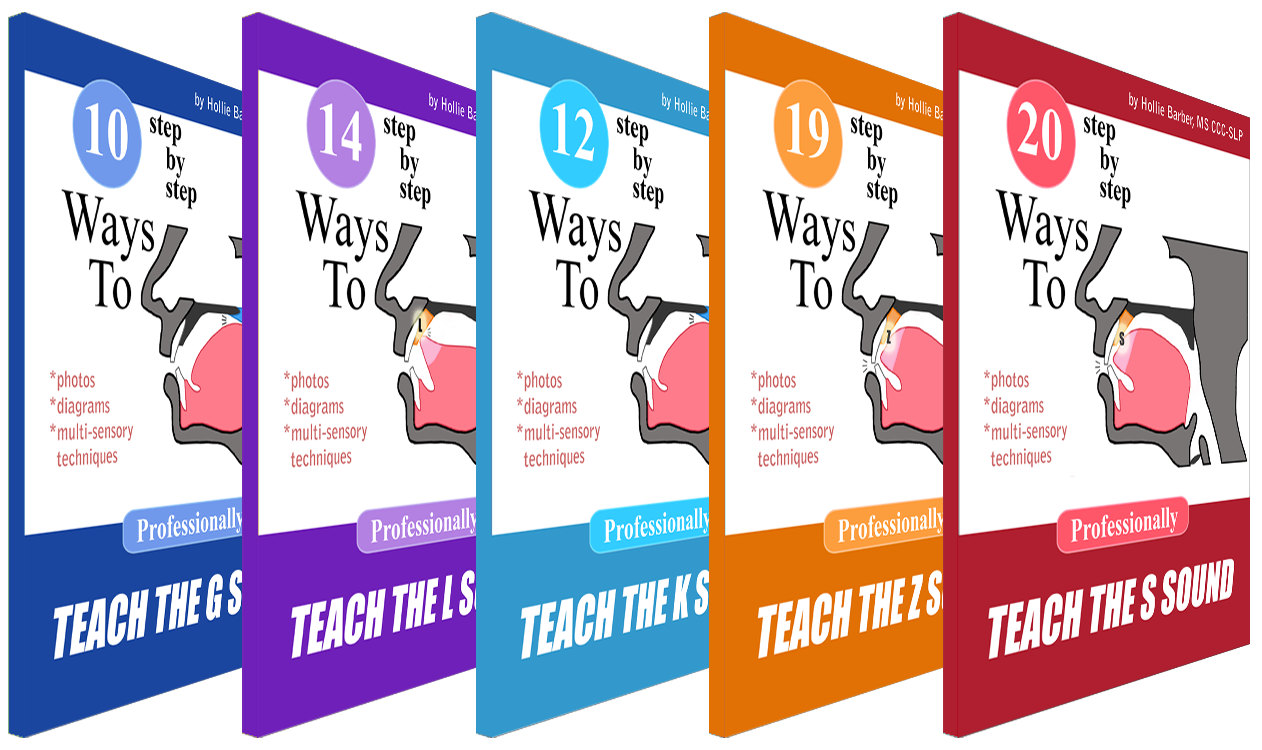
Teaching the Sound Books
Multi-Syllabic Words Flashcards

Apps to Save You Time
& Help Your Clients
Articulation Therapy + Pirate Adventures = Awesomeness!
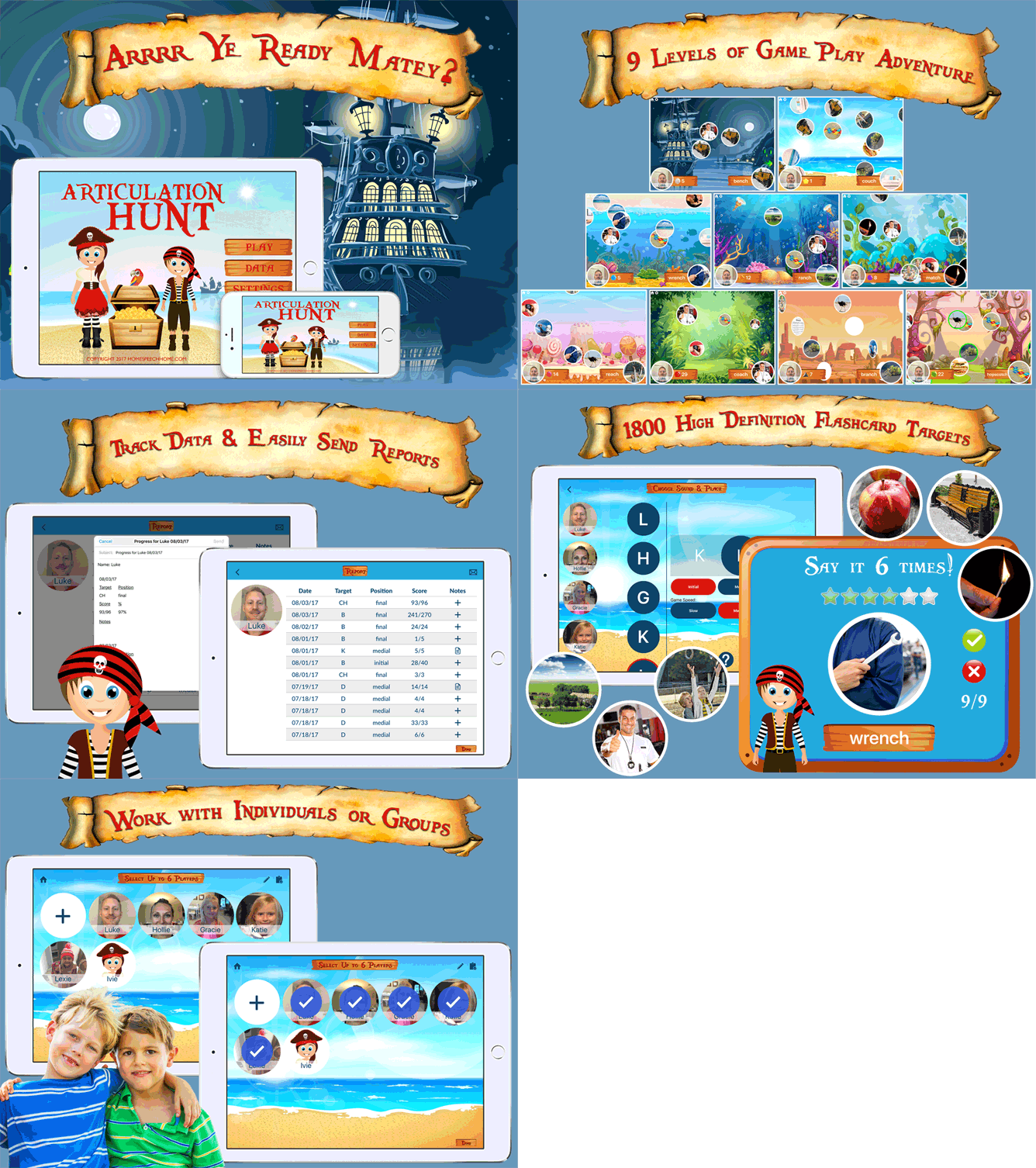

This App Will Get Your Kids Talking






Copyright © 2010 –
HomeSpeechHome.com | All Rights Reserved

This website contains affiliate links, meaning if you buy something from them we may make some money (at no cost to you).
By using our affiliate links, you are helping to support our site which is a U.S.-based, family-run small business :)