Speech Helpers Teach How and Where Sounds Are Made
Learning about the Speech Helpers is an important first step in learning to say a new sound.
It helps children and adults follow sound placement cues and movement directions more easily and with less confusion.
Meet Your Speech Helpers
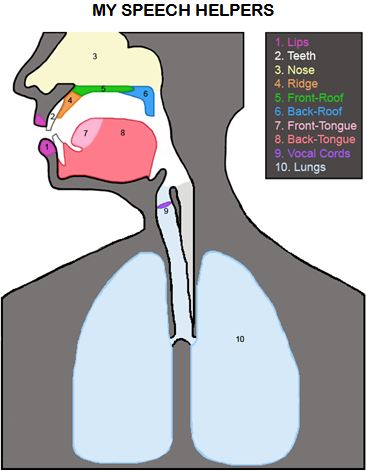
Read and talk about these 10 Helpers with your children.
This will help them learn what parts of the body make speech and which ones are used to make each sound.
Locate and feel each one your body.
Then try making some of the sounds that go with each one.
Explore Our Goal Reaching, Client Centered Products
*Remember when you read letters with quotations ("K"), it means to read it as "the sound it makes without a vowel." DO NOT say it with a vowel ("kuh" as in cut) or as the letter name K (Kay).
Examples:
"F" is "ffffffffff" not "fuh" or "eff"
"N" is "nnnnn" not "nuh" or "en"
"L" is "uullll" not "luh" or "el"
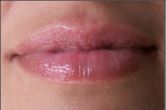
1. Lips
Put your lips together to make "P", "B", "M", and "W" or just use your bottom lip when you make "F" and "V".
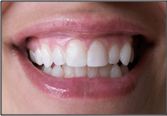
2. Teeth
Close your teeth to make "S" and "Z" or put your top teeth on your bottom lip to make "F" and "V". Your tongue goes between your teeth for "th" (as in thin) and "TH" (as in the).
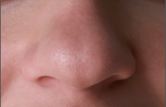
3. Nose
Air flows through your nose to make "N", "M", and "NG" (as in "sing").
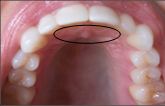
4. Ridge
Your ridge is right behind your two front teeth. It's the right spot for "S", "Z", "L", "T", "D", and "N".
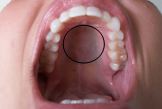
5. Front Roof
The front-roof is the right spot for "CH", "J", "SH", and "ZH" (as in measure).
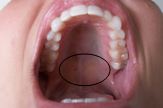
6. Back Roof
The back-roof is the right spot for "K", "G", and "R".
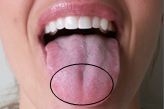
7. Front Tongue
The front of your tongue is used to make "T", "D", "S", "Z", "Y", "L", "Ch", "J", "SH", "th", "TH" and "ZH" (as in measure).
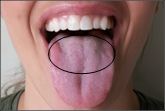
8. Back Tongue
The back of your tongue is used to make "K", "G", and "R".
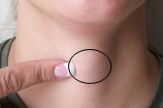
9. Vocal Cords
Your vocal cords vibrate to make ALL vowels and voiced sounds like "B", "D", "G", "Z", etc. They don't vibrate for voiceless sounds like "P", "T", "K", "S", etc.
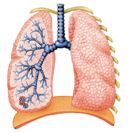
10. Lungs
Your lungs give you air to make every sound - especially "H" because it's all air!
SEE ALSO: The Best Free App for Speech Therapy


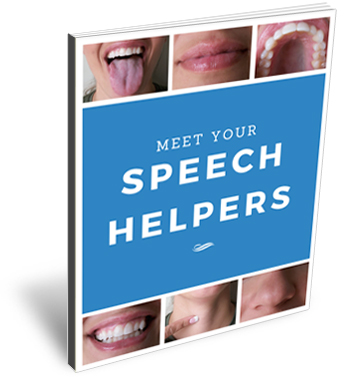
This e-Book gives you detailed descriptions, sound examples, real, full color photos, and a color by number chart to solidify you and your child's understanding.
Speech Pathologists, adults, and parents can use this tool with children who have:
- Apraxia
- Articulation Disorders
- Cleft Palate
- Phonological Disorders
- Stuttering / Fluency Disorders
- all other areas of communication that involve using clear speech
If you know someone who could benefit from our Speech Helpers e-Book, please share it by using the share buttons on this page.
Join our mailing list for fresh therapy ideas, helpful handouts, special invites, deals & more.
Thank you.
Click the image below to download your free copy.

Freebies, Activities, and Specials, Oh My!
Sign up for Terrific Therapy Activity Emails
Your information is 100% private & never shared.

Hi! We're Luke and Hollie.
We are both MS CCC-SLPs and fell in love while studying for our degrees. Since then we have done everything together - graduated, worked, and started a family. We spend most of our time with our family and the rest making this site for you.
Top Free
Resources




Free Apps
Word Vault Essential

# 1 Chronological Age Calculator
Popular Materials
All in One Printable Flashcards
Multiple Meaning Word Mega Pack
Complete Articulation Word Search
New! 111 Articulation Stories
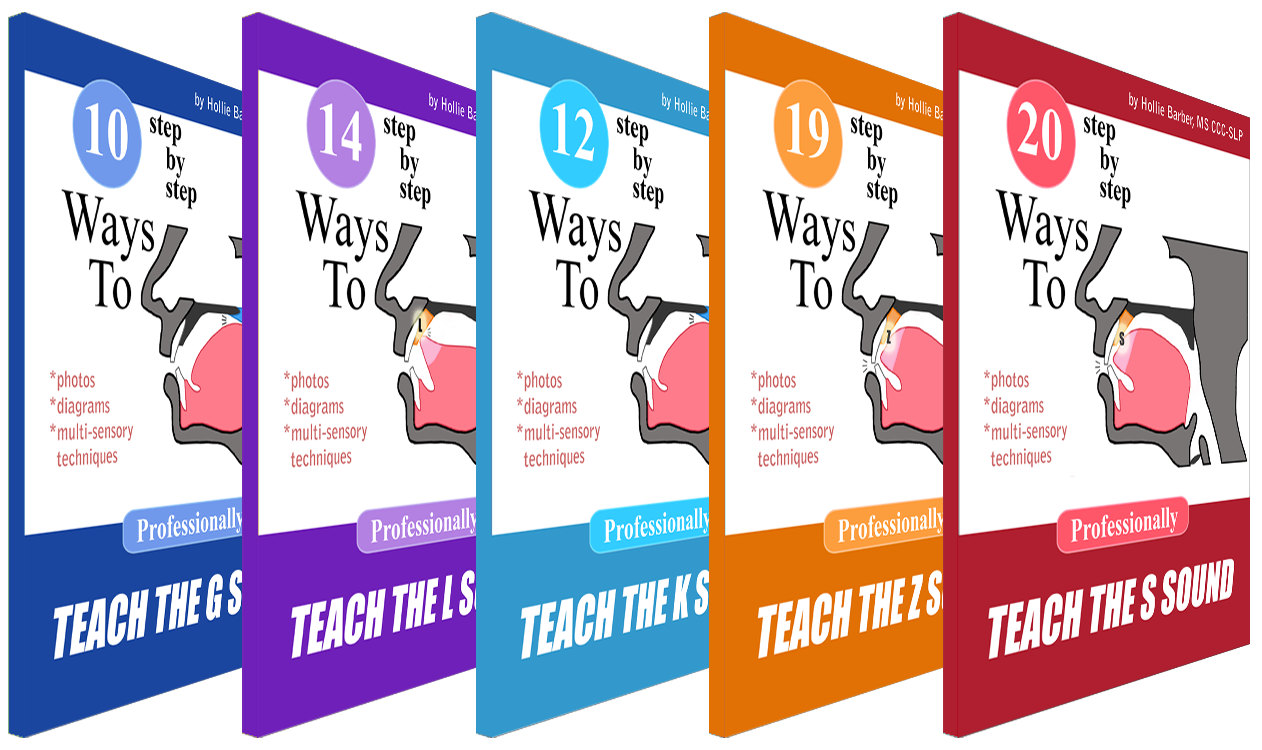
Teaching the Sound Books
Multi-Syllabic Words Flashcards
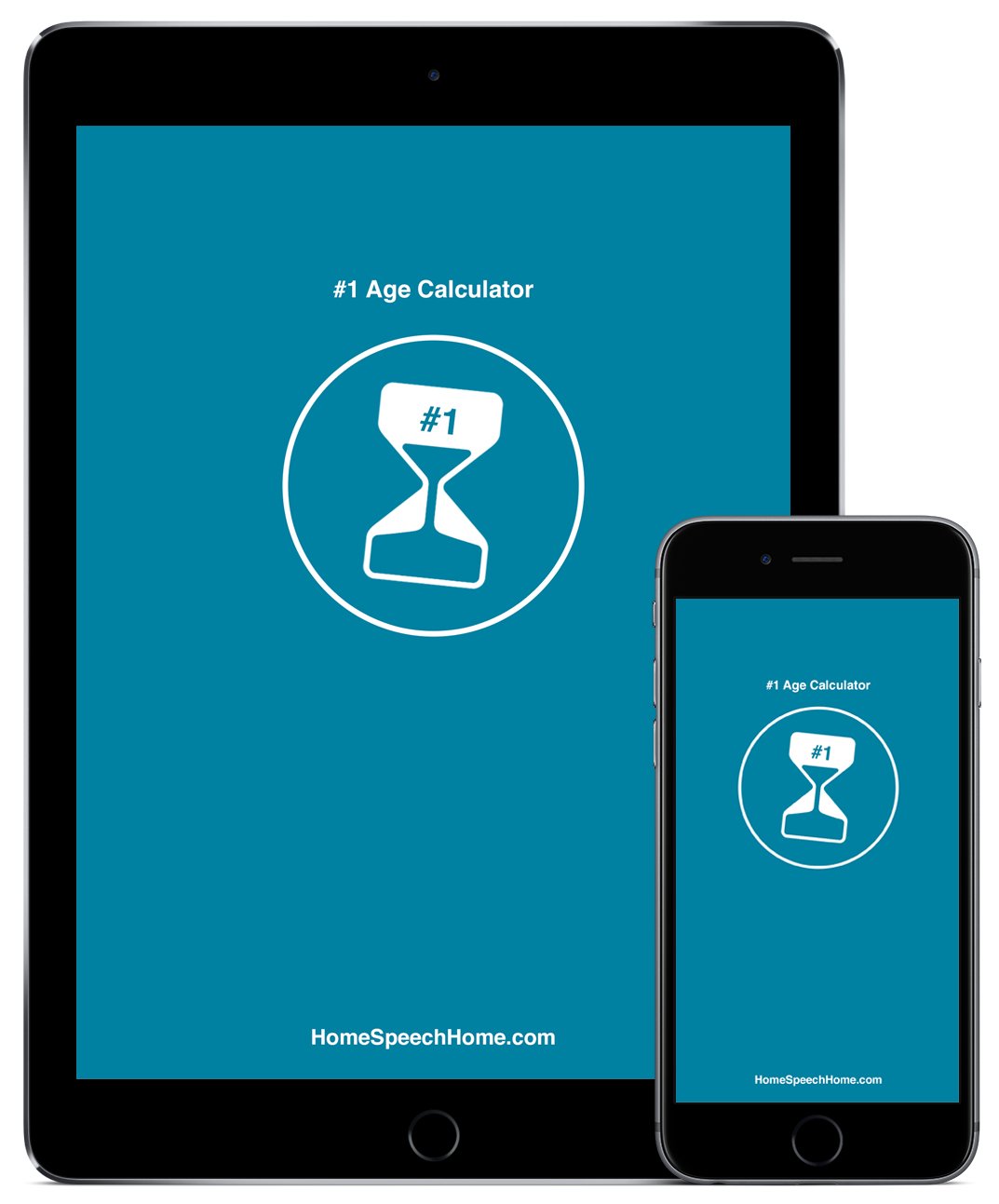
Apps to Save You Time
& Help Your Clients
Articulation Therapy + Pirate Adventures = Awesomeness!
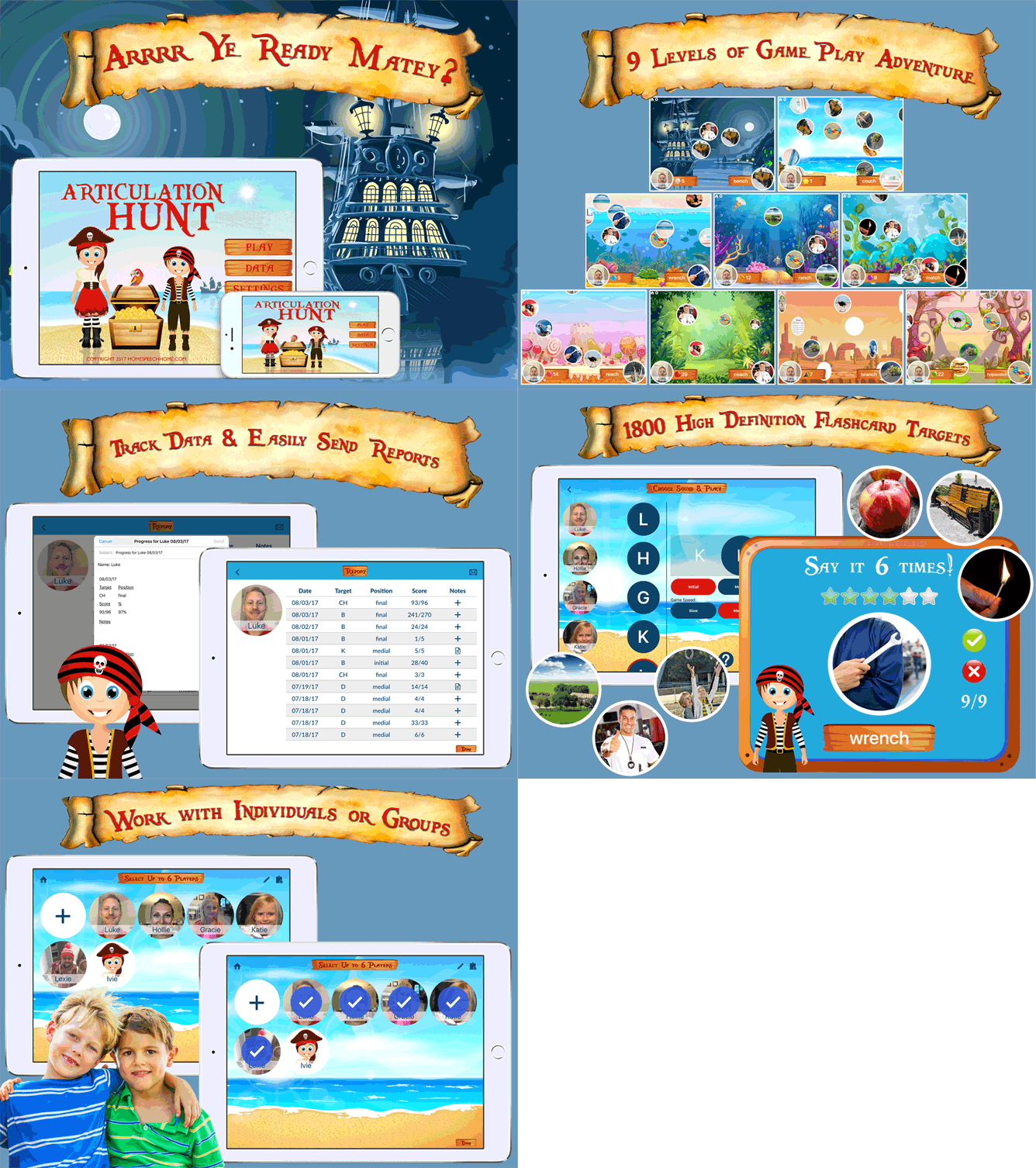

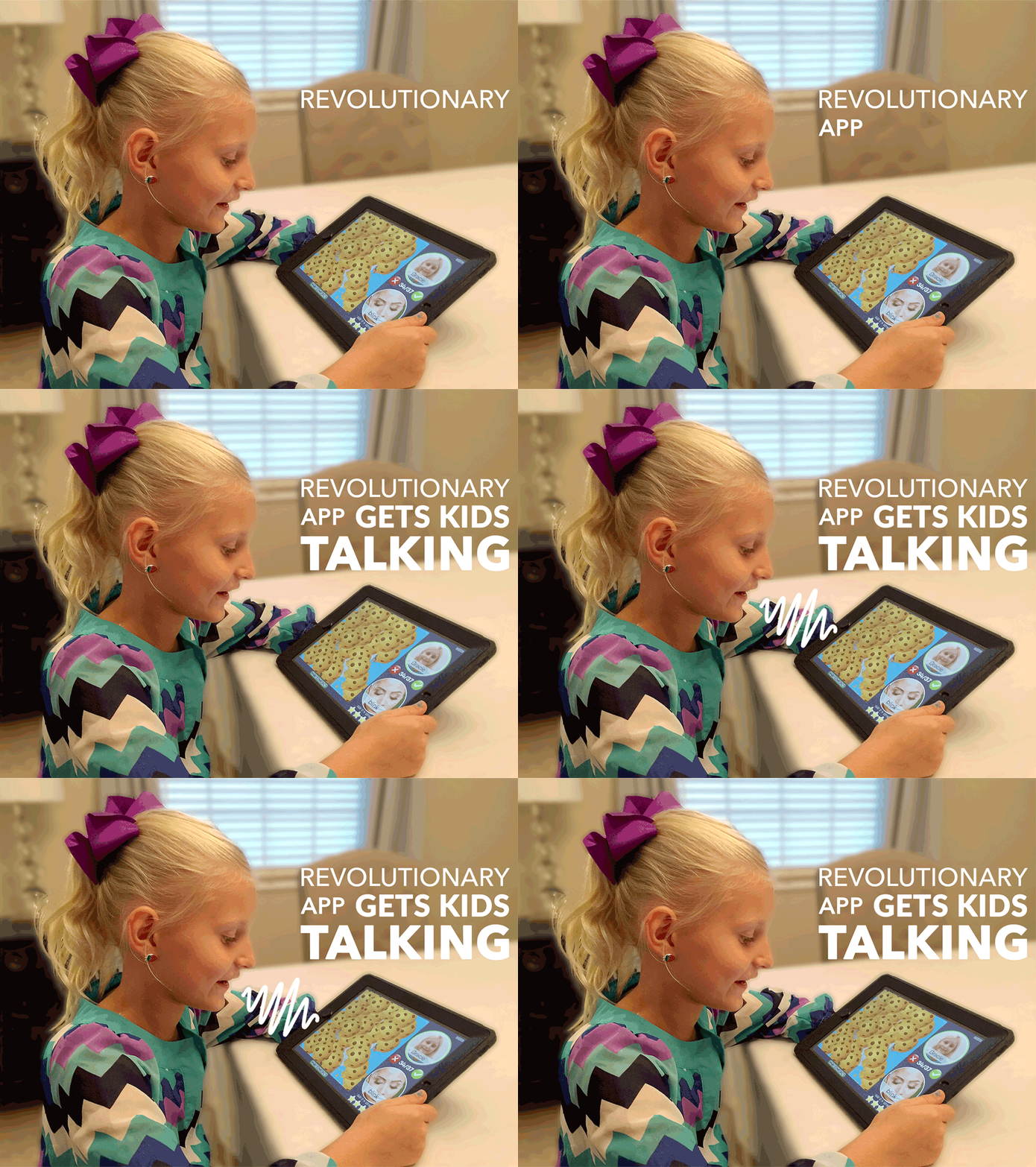
This App Will Get Your Kids Talking





Copyright © 2010 –
HomeSpeechHome.com | All Rights Reserved
This website contains affiliate links, meaning if you buy something from them we may make some money (at no cost to you).
By using our affiliate links, you are helping to support our site which is a U.S.-based, family-run small business :)