
Meet the Words
Speech Therapy Activities
You know those days when you've been super busy and haven't had time to plan.
Then you realize you have a group coming in a few minutes and think…
What am I going to do with them today? 😅
You're among friends.
That’s exactly why we created Meet the Words speech therapy activities.
Instead of another complicated activity that requires a bunch of materials and preparation, these activities are designed around something we use constantly in speech and language therapy:
WORDS!
And the best part?
One simple word can give you opportunities to target multiple speech and language skills depending on the student sitting in front of you.
Purpose
- To learn new words and new information through interesting conversation while targeting articulation errors, language concepts, or fluent speech strategies, etc.
Ages
- All Ages
Materials
- Cards with selected target words pictured or written
SEE ALSO: Crush Therapy Goals with the All in One Printable Flashcards
One activity. Lots of possibilities!
You can use the Meet the Words activities to work on skills such as:
- Articulation and speech sound practice
- Vocabulary development
- Describing
- Categories and associations
- Sentence formulation
- Expressive language
- Word retrieval
- Asking and answering questions
- Creating stories
- Following directions
And more!
Directions
Tell your student that you are going to take turns interviewing each other about some new words.
For each turn, the person acting as the reporter picks a card, says the word, and asks the three following questions.
Remember to say the target word in each question for maximum practice. The interviewee answers the questions and then the roles are switched.
- Do you like ___________?
- Where do you usually see ____________?
- What's one thing you know about _____________?
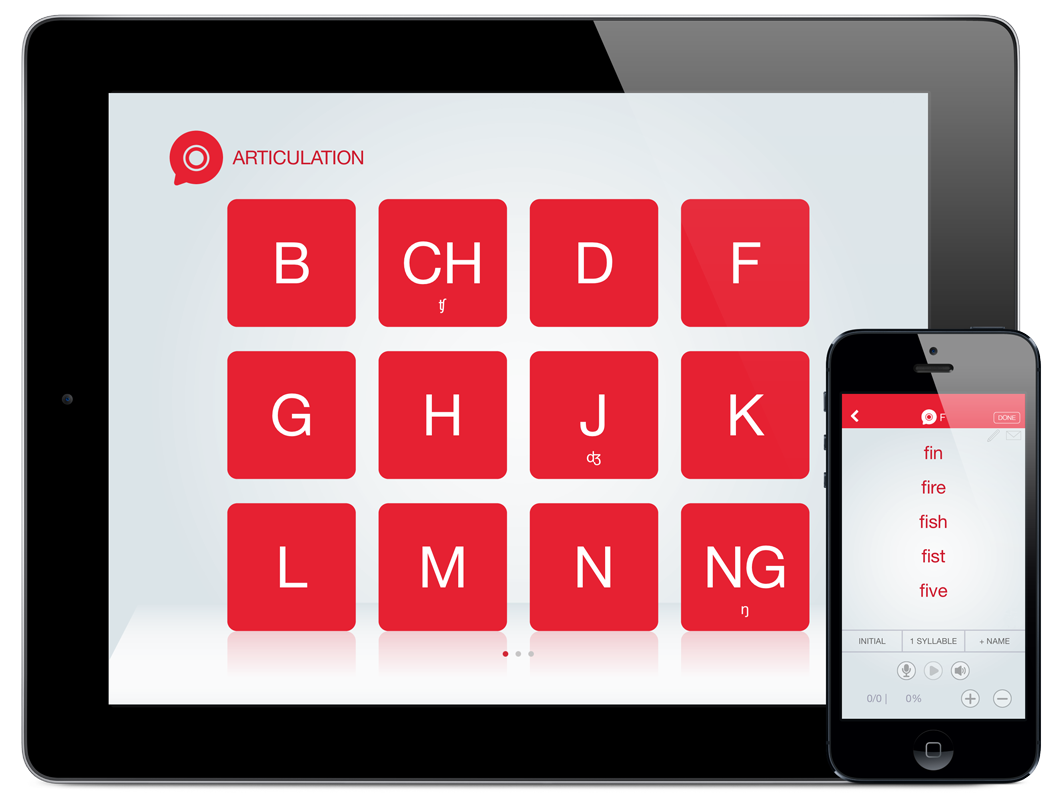
SEE ALSO: The Best Free App for Speech Therapy


How to use if for...
Articulation
Client can practice target sounds at the sentence level by saying them in the questions above. For word level, have the client say the word first, followed by the question.
For example, if the target word is chocolate, they would say...
- Chocolate...Do you like it?
- Chocolate...Where do you usually see it?
- Chocolate...What's one thing you know about it?
Language
This is a great activity to learn new vocabulary words and learn new information from each other if they don't have the answers.
You could use it one step further to work on categorization based on the answers given. It also could be used to practice describing items using adjectives, a skill that is difficult for many children with language delays.
Pragmatics
This interview role playing is the perfect context to practice turn taking, topic maintenance, eye contact, nonverbal body language, and even using/interpreting figurative language.
Stuttering
Client tries to produces target word with "stretchy, smooth" speech or while using a reduced rate or with easy onset, depending on your method.
The fluency method can be practiced at the word level, before the question, like the articulation example above, or at the sentence level - producing the whole question with the target fluency strategy.
Voice
Client tries to produce each question with correct air support, volume, resonation, or chunking/phrasing, etc. depending on your target behavior.
He/she also tries to answer the questions appropriately.
Group Variation
Pair your clients up with a partner to interview each other on a chosen number of words.
Have them report at least one thing they learned from the other person when finished.
You can make this a long or short activity depending on how many cards/words you have them complete.
Here’s another way I like to use these…
- Turn it into a quick challenge.
- Choose a word and see how many different things your students can tell you about it.
- What does it look like?
- What category does it belong to?
- Where would you find it?
- What does it do?
- What goes with it?
- Can you use it in a sentence?
- Can you make up a story using it?
You can make the activity as simple or as challenging as you need depending on the age and ability of the student.
And because you can approach the words in so many different ways, you don’t necessarily have to use the activity once and move on.
- Come back to it.
- Change the questions.
- Change the goal.
- Pair the words together.
- Make sentences.
- Create stories.
- Practice sounds.
- Describe.
- Compare.
- Categorize.
The possibilities can grow right along with students.
Most importantly, keep therapy simple.
It can be tempting to think a good speech therapy session needs an elaborate activity, perfectly laminated materials, or hours of preparation.
It doesn’t.
Sometimes the best sessions come from a simple activity and a really good interaction between you and your students.
That’s what we want HomeSpeechHome to help you do.
Spend less time searching for something to use…
…and more time actually helping your students communicate.
You might also like:




For Parents
Take turns with your child.
Pick a card and ask these 3 questions to the other person to work on their sound at the word level:
- (picture name)...Do you like it or not?
- (picture name)...Where do you usually see it?
- (picture name)...What's one thing you know about it?
Take a look through the activities and see how many different ways you can use them with your caseload.
And if you find one your students really enjoy, save it for another session and simply change the skill you’re targeting.
Simple.
Flexible.
And one less thing you have to plan.

Speech Therapy Activities & Special Deals, Oh My!
Sign up for Terrific Therapy Emails
Your information is 100% private & never shared.

Hi! We're Luke and Hollie.
We are both MS CCC-SLPs and fell in love while studying for our degrees. Since then we have done everything together - graduated, worked, and started a family. We spend most of our time with our family and the rest making this site for you.

Top Free
Resources




Free Apps
Word Vault Essential

# 1 Chronological Age Calculator
Popular Materials
All in One Printable Flashcards
Multiple Meaning Word Mega Pack
Complete Articulation Word Search
New! 111 Articulation Stories
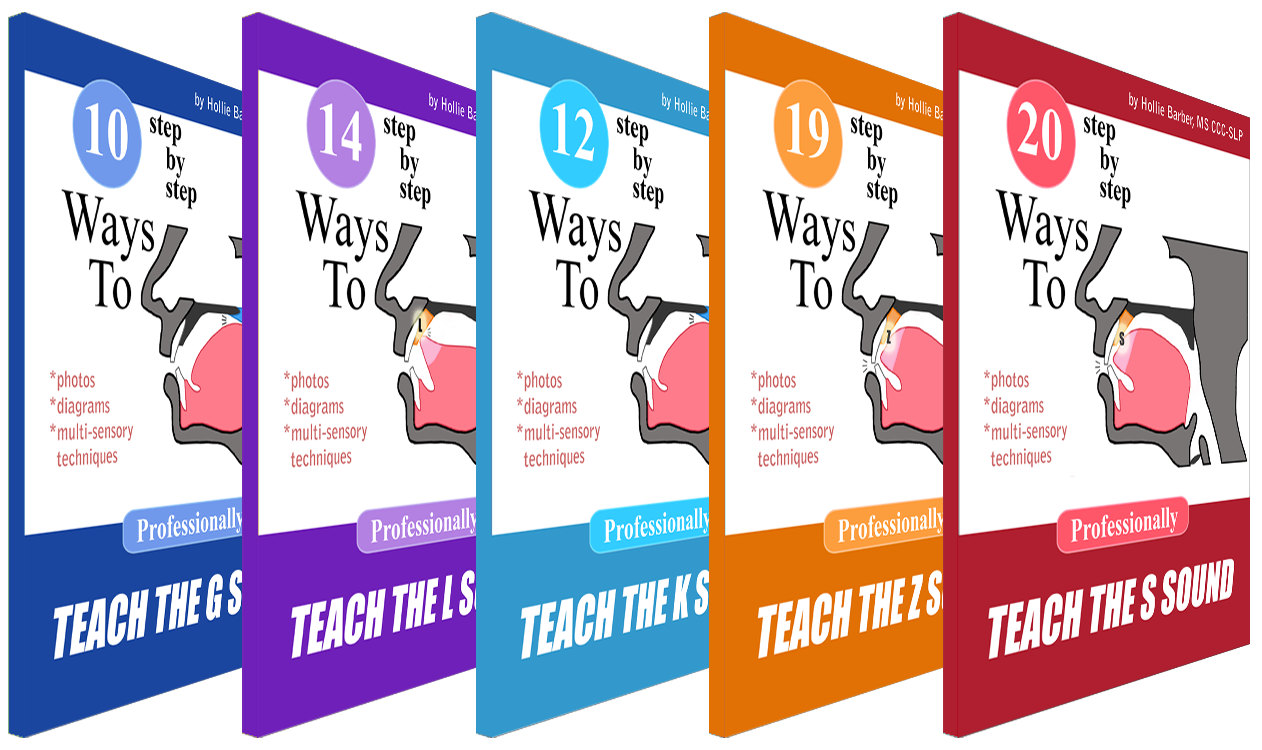
Teaching the Sound Books
Multi-Syllabic Words Flashcards
Apps to Save You Time
& Help Your Clients
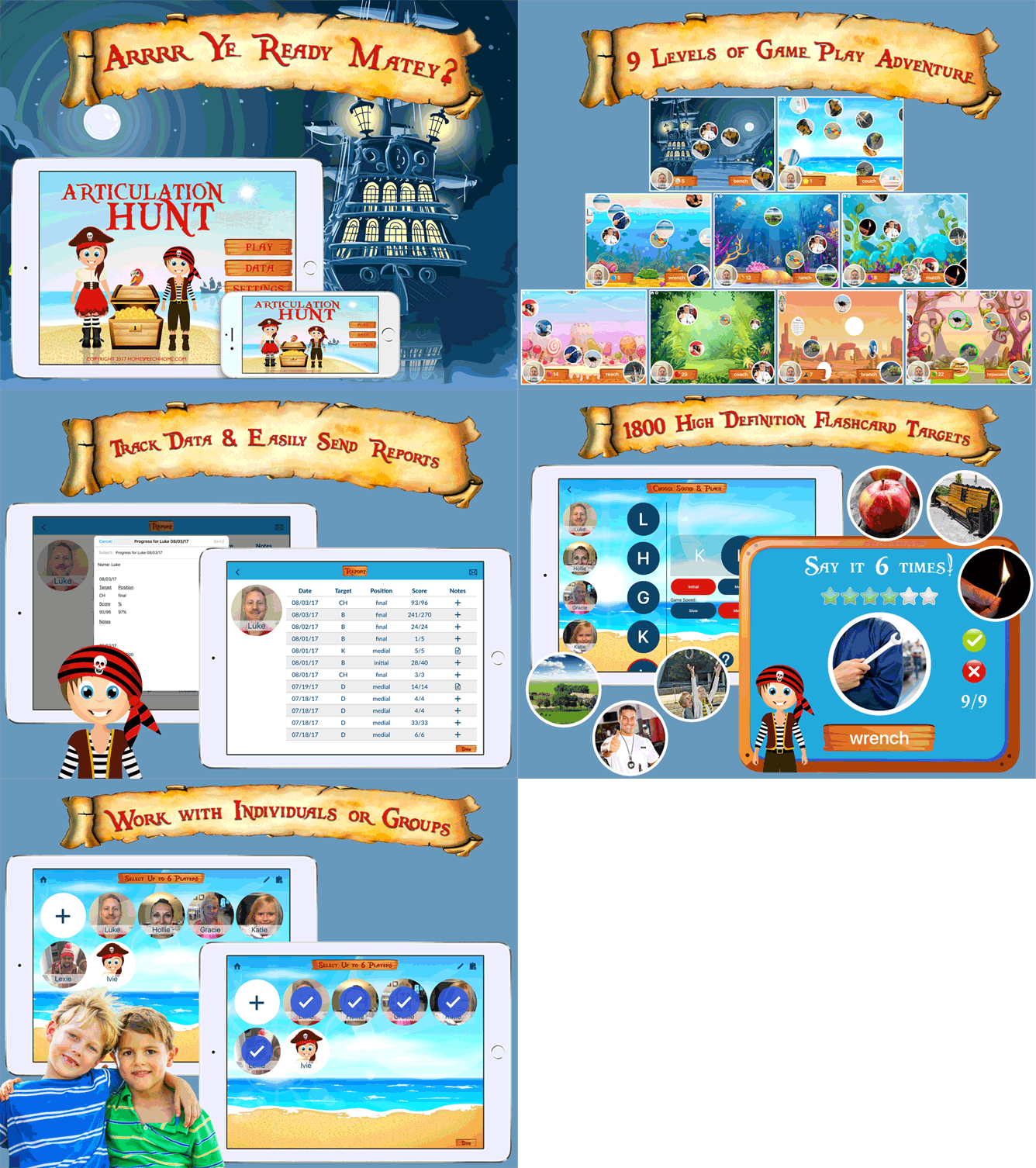
Articulation Therapy + Pirate Adventures = Awesomeness!

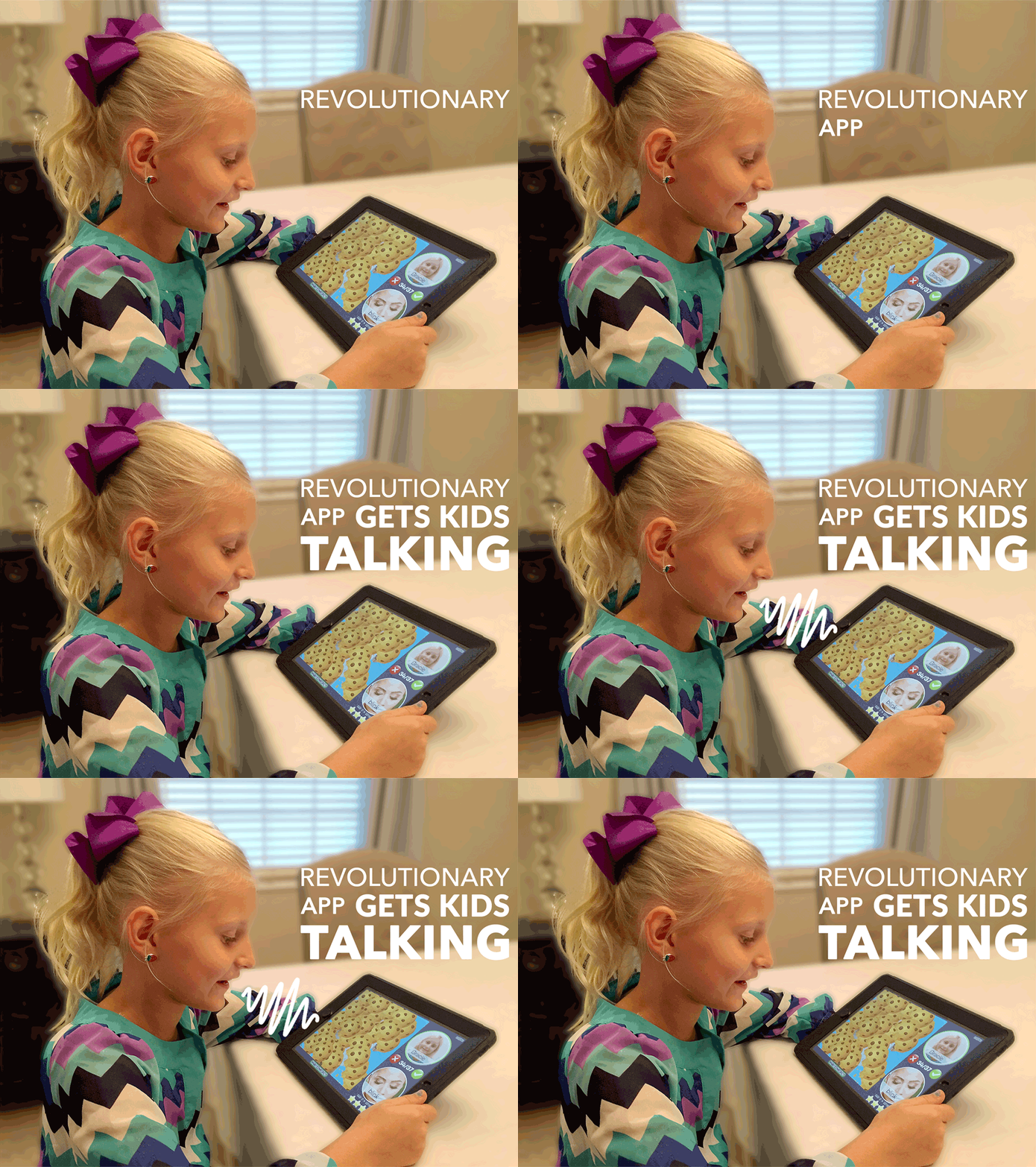
This App Will Get Your Kids Talking



Your information is 100% private & never shared.
Copyright © 2010 –
HomeSpeechHome.com | All Rights Reserved
This website contains affiliate links, meaning if you buy something from them we may make some money (at no cost to you).
By using our affiliate links, you are helping to support our site which is a U.S.-based, family-run small business :)