Stuttering Causes Using Simplified, Complete Explanations
If you want to know about stuttering causes...
...I have tried my best to simplify all the explanations on this page.
Hopefully, if you are like me, this will help you get all the answers and completely understand it. If not, I have provided the references to help you search in the right direction.
Explore Our Goal Reaching, Client Centered Products

Pre-Disposing Factors
(This is not what causes stuttering, they are just conditions that can make a person at-risk for it)
Heredity
- Stuttering runs in families
- Girls are less likely to stutter than boys
- Genetic factors are stronger in women who don't recover (because most do).
Thus, their relatives are more likely to stutter 80%-90% of siblings stutter if their identical twin stutters
Problem with Cerebral Localization
- People who stutter could have a delay in the development of the left side of their brain which could affect speech and language
- This delay happens during fetal development
- They may use the right side of their brain for speech and language instead of the left side like usual
- Using the right brain for speech and language is not as efficient as using the left
Problem with Timing
- People who stutter could have a deficit in temporal programming (or timing of their speech movements)
- Their speech and language centers are not in the usual place so it takes longer for them to program their speech movements
- Other brain functions can interfere with the timing of speech movements; for example, increased emotion, controlled by the right side of the brain, such as when a child is upset or excited, can make the child stutter because it got in the way of the timing
Problem with Language Production
(Covert Repair Hypothesis, Postma and Kolk)
- People who stutter may have an impaired phonological encoding mechanism (basically they could have something wrong with the place in their brain where speech is planned and programmed)
- Activating or saying sounds is a little delayed for people who stutter
- People who stutter try to speak faster or start speaking too quickly
- They don't wait long enough for their "slow-to-activate" speech planner (delayed phonological encoding mechanism) to choose and plan the right sounds before talking
- If phonological encoding error is detected, the speaker may attempt to covertly repair the error before it is articulated which results in disfluency (stutter)
- If an error in the speech plan is detected, the brain unconsciously goes through different sounds/words until the correct sound/word is found, this causes the disfluency or stutter
Problem with Language Complexity
- Recently, it is found that stuttering could happen because of the complex interface between speech motor control and language planning (Kleinow & Smith, 2000)
- Motor control of speech is worse when the language or message is more complex
- Children stutter more when they are saying bigger/harder words, using more difficult grammar, and when the sentence is longer (Bernstein Ratner & Sih, 1987, Yarruss, 1997)
No matter what pre-disposing factors look at...
...it is important to know that there is a lot of evidence to show that people who stutter DO have a physical difference in their brain.
BUT remember...
...just like other areas of speech and language, the brain is altered by experience because of its ability to change (plasticity).
People who stutter have been able to see changes in their "different" brain activity, after going through successful stuttering therapy.
Bottom line, just because there is a physical brain difference, it does not mean it cannot be cured and it is not necessarily part of stuttering causes.
This is definitely an awesome finding for people who stutter and for speech therapists who offer stuttering therapy.
SEE ALSO: The Best Free App for Speech Therapy


"Triggering" Factors
(conditions that can trigger stuttering causes)
Parents DO NOT cause stuttering.
There are several developmental and environmental influences for stuttering causes, but research has found that there is no difference between parents of children who stutter and parents of children who do not stutter.
I repeat, parents ARE NOT considered to be stuttering causes.
Is that enough repeating and bolding to let you feel some relief? You are not to blame!
Let's face it there are a lot of things going on in a little person's body and head as they are growing during the pre-school years.
These can all trigger stuttering if the child is predisposed or has a weakness for stuttering.
The developmental factors below all influence stuttering:
- physical development (speech motor skills, fine motor skills)
- cognitive development (learning new skills, mental disabilities)
- social development (social-emotional stress)
- speech-language development (grammar, vocabulary, sentence length)
Environmental factors like stressful speaking models, stressful speaking situations, and traumatic life events can also influence or be considered as stuttering causes.
However, children are often already showing some signs of stuttering before the life event when it becomes more noticeable.
Most often if parents need to change something, it is not that they are speaking too fast, it is that they don't allow their child who stutters enough time to respond during a conversation.
Now that you know the factors that influence stuttering, here are the 4 theories of what causes stuttering, using those factors.
SEE ALSO: The Best Books for Speech Therapy Practice

Theories About Stuttering Causes
Diagnosogenic Theory
(Johnson)
- Stuttering happens when a child becomes overly sensitive to typical disfluencies (which every child has) because of someone's reactions.
As a result, he tries hard to avoid being disfluent or "messing up" again - Stuttering is in the listener's ear, not the child's mouth
Communicative Failure and Anticipatory Struggle Theory (Bloodstein)
- Stuttering happens because of early experiences that made the child think that speech is hard
- If the child has a hard time talking, he may become tense, and break up his speech. Then the core stuttering behaviors soon become a part of the speech pattern that the child learns to dread
- Stuttering is learned, internal and external influences both play a part
- Reactions of listeners and the environment created at home and/or school, trigger the child to stutter
Capacities and Demands Theory
(Starkweather) (my personal favorite)
- Children who stutter are not able to handle the NORMAL speech, language, and situational demands so fluency is lost and the child stutters
- Motor Skills, Language Skills, Emotional Maturity, and Cognitive Development are all needed to talk smoothly (capacity)
Examples of Motor Demand:
Child has to compete with others for a turn to talk
Child feels he has to talk fast so you will listen to everything he has to say
Example of Language Demand:
Child has a high vocabulary or is trying to use big words while he talks
Example of Emotional Demand:
Trying to talk while excited or upset, like talking while at a birthday party or after getting hurt
Example of a Cognitive Demand:
Child is talking with a lot of anxiety that he is going to stutter and be ashamed shame if he does
Two-Factor Learning Theory
(Brutten & Shoemaker)
- Operates on Classical Conditioning (remember Pavlov's dogs? it's okay if you don't)
- The speaker learns to associate speaking with a negative emotional response
- Somehow an easy, normal disfluency becomes paired with an event that makes the child become tense. From then on, a disfluency is tense (a stutter) even without the event
- Stuttering is an automatic reaction to a learned stimulus
- Tense stuttering becomes associated with everything that was a part of it
Examples:
location during a stutter
sounds that occurred during a stutter like coughing, phone ringing
people or gender of persons listening to the stutter
talking on phone during a stutter
words or sounds said during a stutter, like words that begin with "B" - These things can all accidentally happen during a stutter, which then gives them the power to make a person stutter tensely when they happen again.
Example:
The phone rang while I was trying to talk to my friend this morning and I stuttered. The next time the phone rings while I am talking, I will stutter. - Then when the person who stutters does something on purpose to get out or "escape" from the stutter, such as jerking their head or blinking their eye, and the stutter stops...that behavior is now conditioned to stop a stutter in the person's head. (Operant Conditioning)
So the best way to understand stuttering causes is to take all the theories and views of stuttering and combine them together into one perspective. How about this one by Healey, 2000.
Stuttering causes can be considered complex interactions of five factors (CALMS)
- Cognitive - thoughts, perceptions, awareness, understanding
- Affective - feelings, emotions, attitudes
- Linguistic - language skills, language formation demands
- Motor - control of speech movements
- Social - affects of type of listener and speech situation
Genetic and physical factors are necessary, but they may not be sufficient to cause stuttering. The CALMS factors are needed as well.
The factors are unique for each child who stutters and can be a guide to help you test, treat, and identify these stuttering causes.

Freebies, Activities, and Specials, Oh My!
Sign up for Terrific Therapy Activity Emails
Your information is 100% private & never shared.

Hi! We're Luke and Hollie.
We are both MS CCC-SLPs and fell in love while studying for our degrees. Since then we have done everything together - graduated, worked, and started a family. We spend most of our time with our family and the rest making this site for you.

Top Free
Resources




Free Apps
Word Vault Essential

# 1 Chronological Age Calculator


Popular Materials
All in One Printable Flashcards
Multiple Meaning Word Mega Pack

Complete Articulation Word Search
New! 111 Articulation Stories
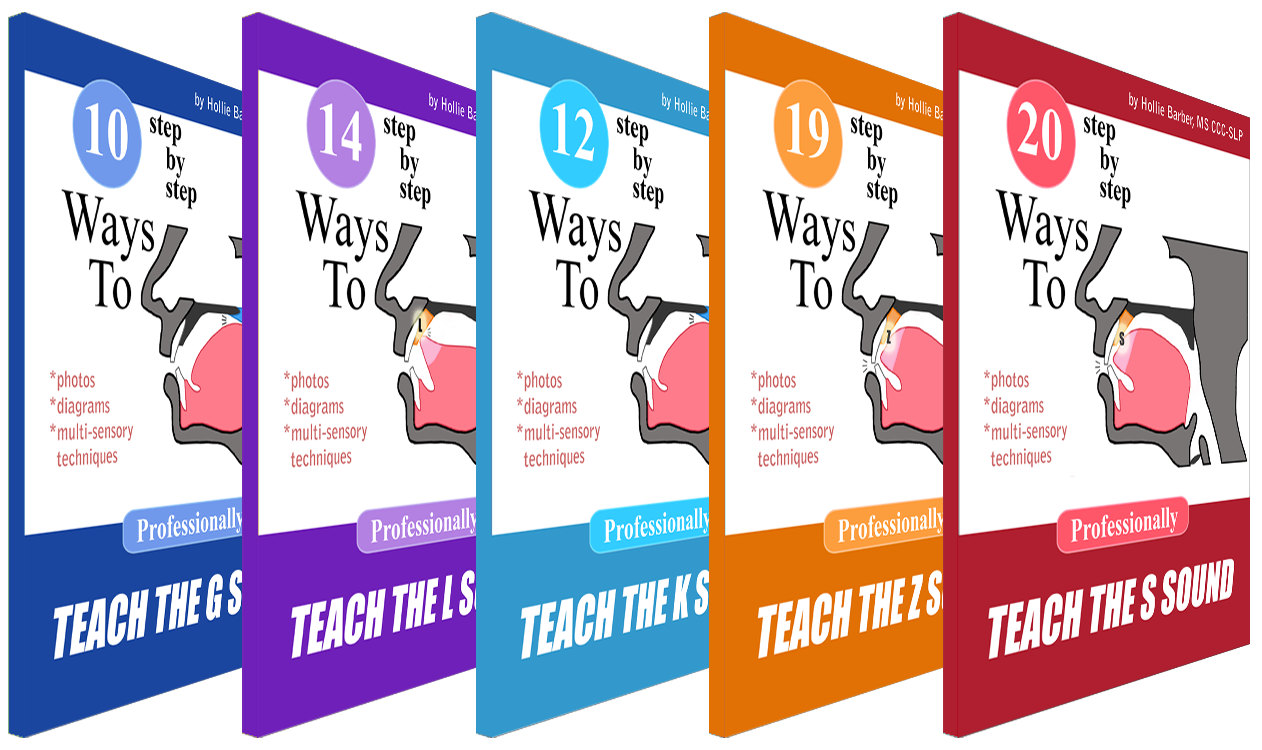
Teaching the Sound Books
Multi-Syllabic Words Flashcards

Apps to Save You Time
& Help Your Clients
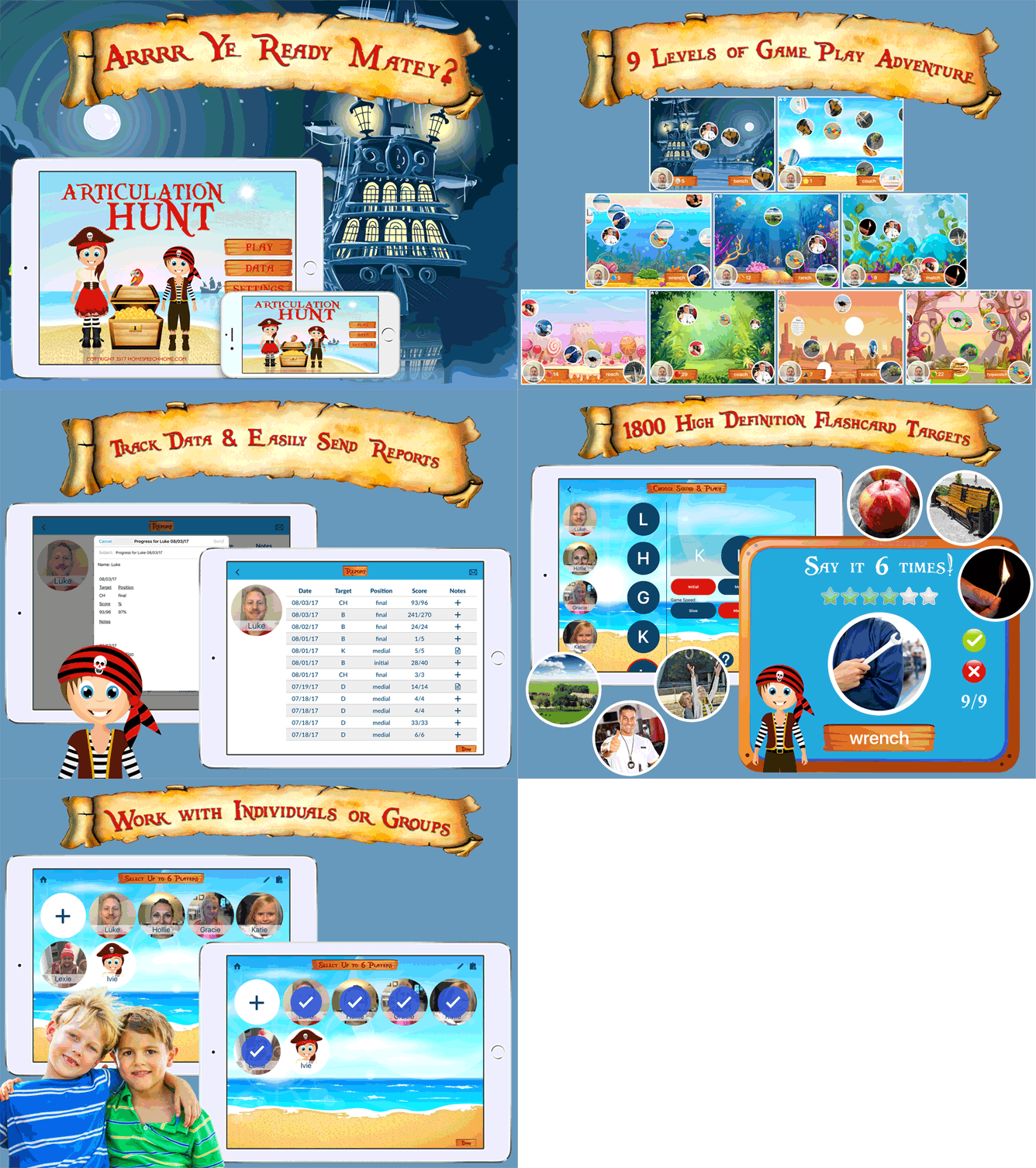
Articulation Therapy + Pirate Adventures = Awesomeness!

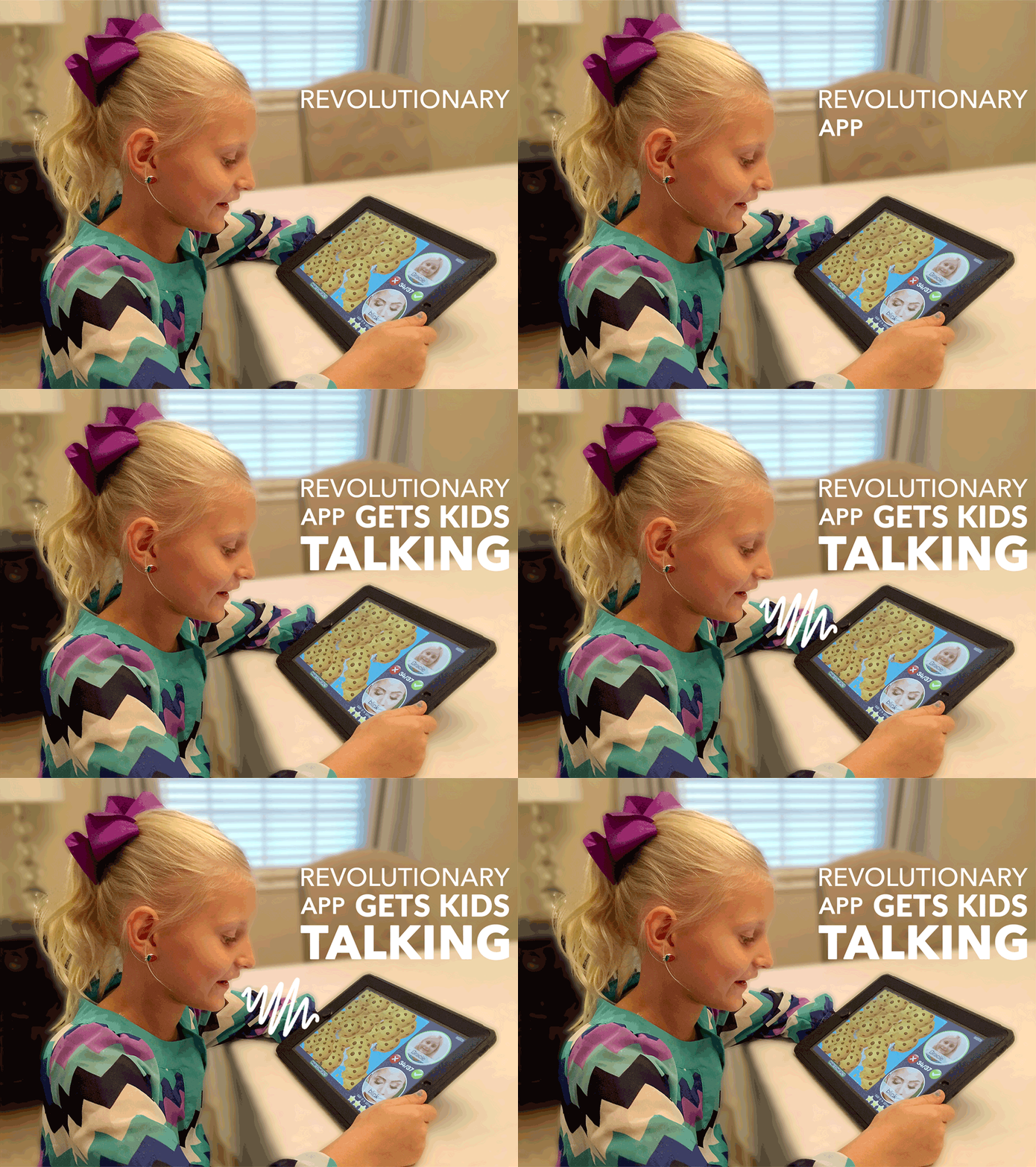
This App Will Get Your Kids Talking





Copyright © 2010 –
HomeSpeechHome.com | All Rights Reserved

This website contains affiliate links, meaning if you buy something from them we may make some money (at no cost to you).
By using our affiliate links, you are helping to support our site which is a U.S.-based, family-run small business :)